
















Research on Resource Utilization in Prehistoric Times
Research Center for Archaeology
https://www.kagoshima-u.ac.jp/maibun/Background and objectives of activities
Understanding how prehistoric people utilized diverse resources and how their activities impacted ecosystems and natural resources provides objective evidence for comprehending the importance of contemporary biodiversity and the sustainable use of resources. At Kyushu University's Gunmoto Campus (Shikadai Campus Site) and Sakuragaoka Campus (Wakita Kamegahara Site), prehistoric cultural properties are buried, and materials related to the plants and animals used by people at that time have also been discovered.
.jpg)
Summary of Activities
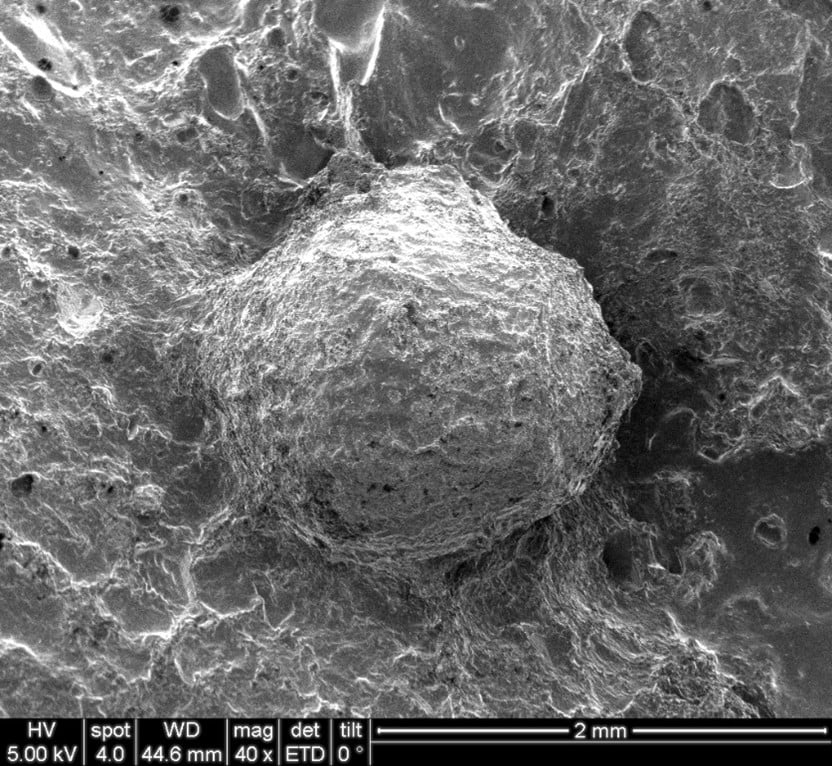
Scene from excavation work at Sakuragaoka Campus (August 2025) The Center for Archaeological Research conducts not only material collection through excavation surveys but also studies of plants and animals used in prehistoric times. This involves collecting minute artifacts from soil within archaeological features such as prehistoric dwelling sites and conducting pottery impression surveys. As a result, the diversity of plants and animals utilized during the prehistoric period in the area where the campus is located has become clear. These findings are documented in excavation reports and other publications. Excavation reports are also available online.
Expected Benefits
By clarifying how prehistoric humans interacted with flora and fauna and sustainably utilized resources, we can provide modern society with scientific evidence supporting the importance of “the value of biodiversity” and “sustainable use.”